What an Open Profile Is
LinkedIn lets members opt into receiving messages from anyone, whether or not they are connected. Those accounts are open profiles. A message to one is delivered like a normal message, does not require an invitation, and does not draw on your weekly invitation allowance.
Why the Distinction Is Worth Engineering for
The invitation allowance of roughly 100 per account per week is the binding constraint on a LinkedIn programme. Every invitation spent on someone who could have been messaged directly is one fewer available for someone who genuinely needs it. In a typical imported audience the open-profile share is large enough to change your monthly reach materially.
The Two Routes Need Different Messages
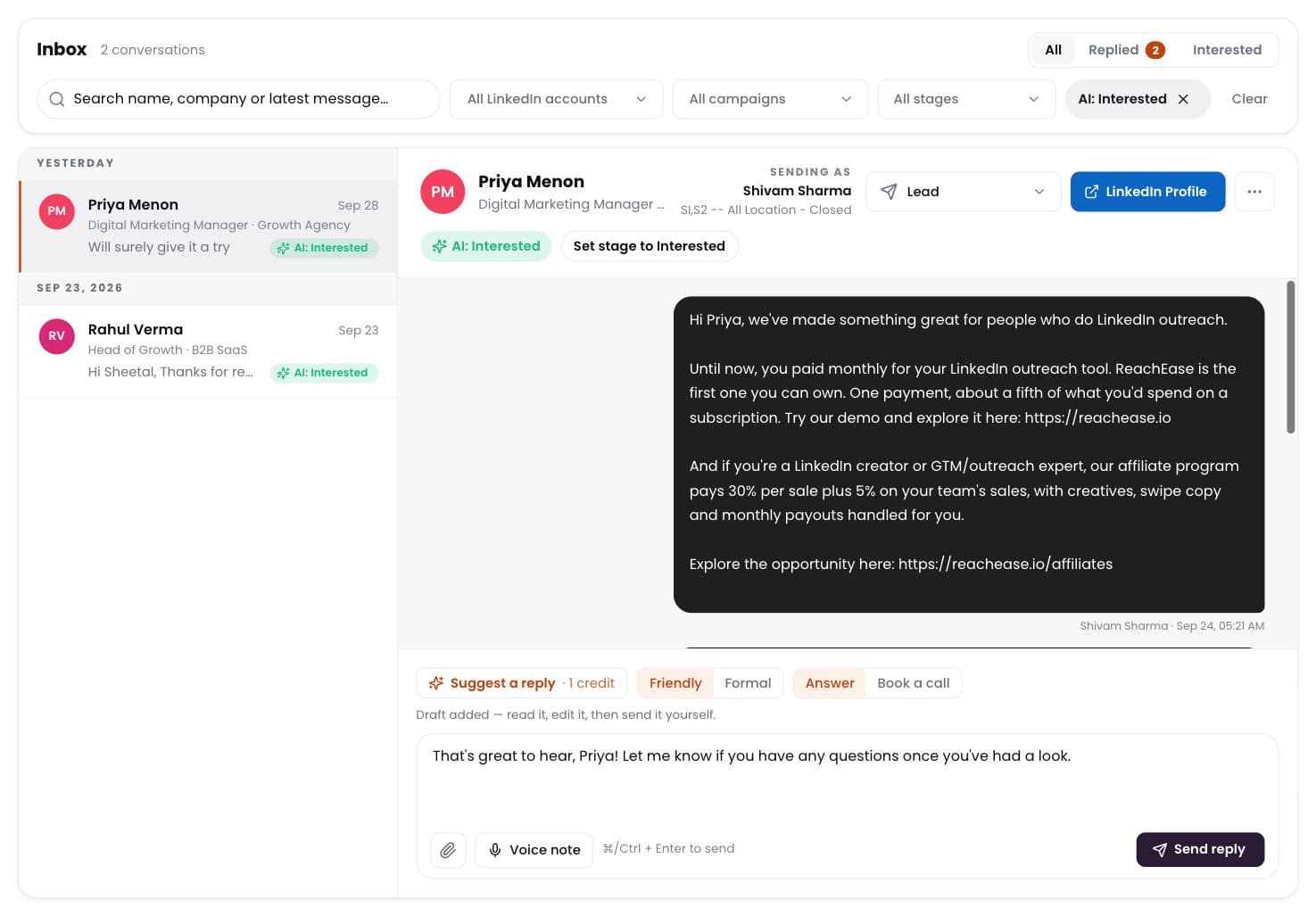
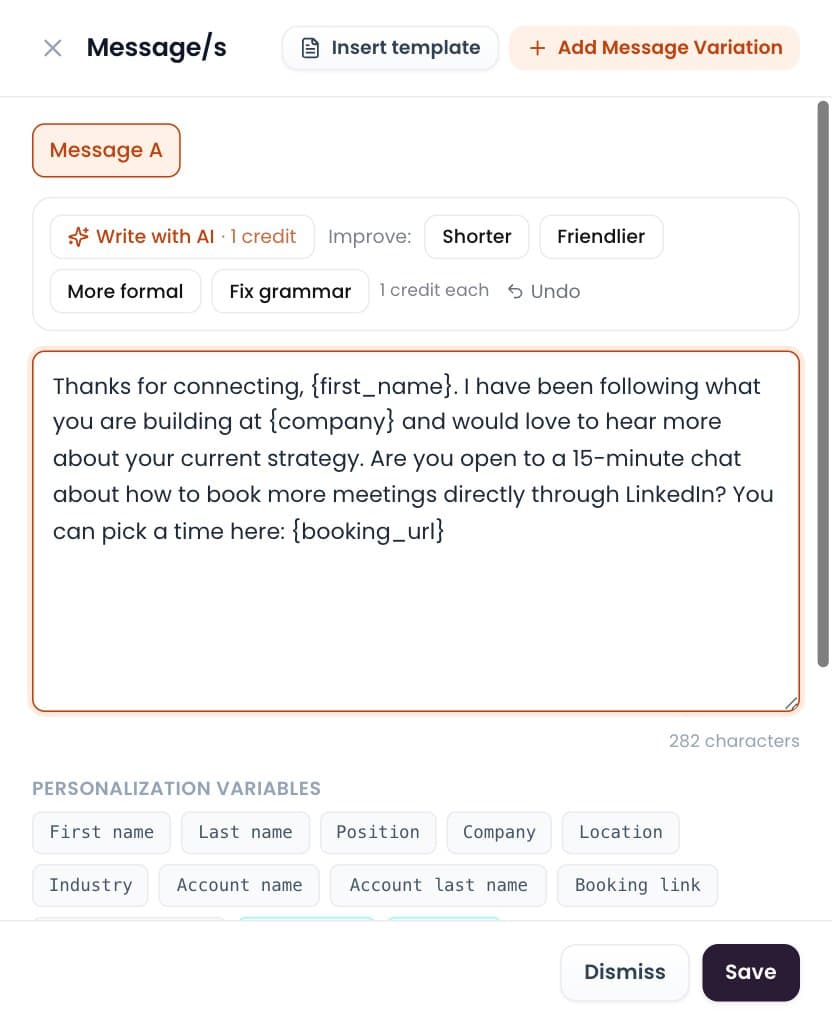
A connection request is a request; the message that follows arrives after someone has already agreed to hear from you. A direct message to an open profile arrives cold, in full, with no prior agreement. Sending the same copy down both routes is the most common mistake, and it is why open-profile messaging sometimes underperforms — the message was written for a warmer moment.
How to Know Which Is Which
The status is only visible by reading the profile, which is why it has to happen before a campaign starts rather than during it. Any tool that routes without enriching first is guessing, and a wrong guess means either a wasted invitation or a message that cannot be delivered.
A Note on InMail
InMail is a third route: a paid message to someone you are not connected to, using credits from a Premium or Sales Navigator plan. Credits are scarce and refill slowly, so InMail is worth reserving for a small number of high-value targets rather than treating as a general-purpose lane.